https://www.athroughout.com/cinemas-unforgettable-echoes-a-deep-dive-into-films-of-justice-freedom-and-resilience/
“The Pursuit of Happyness” is not only an inspirational story about counterattack, but also a movie about love, hope and redemption. Liz’s story tells us that even in the dark, we must believe in the light of hope; even if fate is unfair, we must bravely fight against it.
What is the movie about?
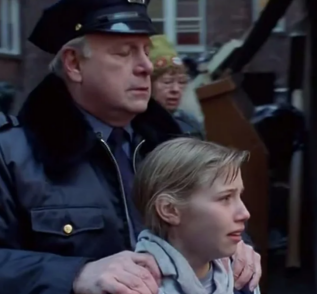
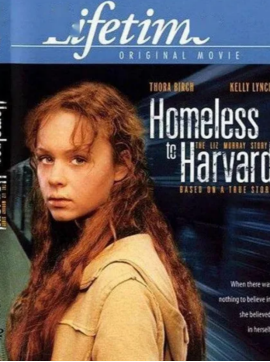
The story revolves around Liz Murray’s growing up experience. Liz was born in the slums of New York. Both her parents were trapped in drugs and poverty. Her mother lost her ability to take care of herself due to AIDS and mental illness, her father wandered the streets, and the family relied on meager relief funds to survive. When she was 15, her mother’s death became the last straw that broke the camel’s back. She lost her place to live and could only spend the night in the subway and park, and even begged for food.
But the hardships of life did not defeat Liz. After witnessing her mother’s funeral, she decided to change her fate and completed four years of high school in two years while applying for scholarships. With a moving essay about her own experience, Liz won a full scholarship from the New York Times and was successfully admitted to Harvard University. She finally rewrote her life with knowledge.
“Why should I feel sorry for myself? This is my life. I should even be grateful for it, because it forces me to move forward in any situation.”

Liz Murray’s words reveal her attitude towards a difficult life, and have become the most shocking footnote to the movie “The Pursuit of Happyness”. Liz faced multiple choices in desperation: should she sink into poverty and drugs like the people around her, or should she bravely jump out of the quagmire? She chose to use education as a weapon to break the deadlock, firmly believing that “why should I feel pitiful? This is my life. I should even thank it, because it forces me to move forward under any circumstances.” This attitude of actively controlling one’s destiny breaks the public’s stereotype of the “victim mentality” of the poor.
At the same time, the film reflects the reality of social class in the United States. Liz’s counterattack is an exception. Many lower-class people like her parents find it difficult to escape the cycle of poverty without a social support system. The film uses contrast – the key help given by Liz’s teacher David and the indifferent child welfare agency form a contrast, prompting the audience to think about the allocation of social resources and educational fairness.
Ending: The reality and spiritual continuation behind the counterattack

At the end of the movie, Liz steps into Harvard campus, and the narrator reveals that she later entered Harvard University and continued to pursue a master’s degree after graduation. In reality, Liz Murray not only completed her studies, but also became a motivational speaker, sharing her story through tour speeches to inspire more people. This echo of reality and the movie proves the power of education to break down class barriers, and also conveys the universal value of “no matter how low the starting point is, you can change your life through hard work.”
https://www.athroughout.com/cinemas-unforgettable-echoes-a-deep-dive-into-films-of-justice-freedom-and-resilience/