https://www.athroughout.com/cinematic-journeys-through-the-mind-finding-light-in-despair-and-illness/
Dancer in the Dark is an emotionally impactful and visually stunning film. Director Lars von Trier blends musical form with profound social realities, telling the story of a resilient woman who perseveres in her faith and pursues light amidst adversity. This heartbreaking yet powerful film showcases how humanity, even in the face of extreme adversity, can still find hope and dignity. The protagonist, played by Icelandic singer Björk, delivers a performance that embodies the film’s themes and is deeply emotionally penetrating.
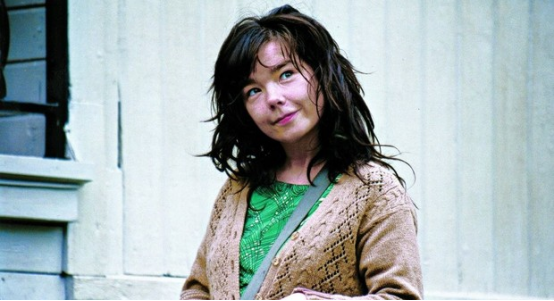
Movie Overview
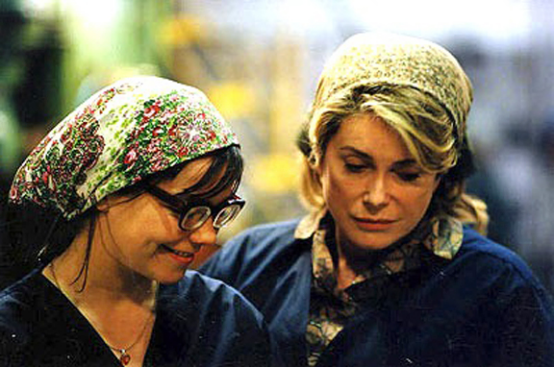
Dancer in the Dark tells the story of Selma (Björk), an immigrant worker who struggles to pursue a beautiful dream amidst the hardships of life in America. A single mother, Selma supports herself and her son through low-wage factory work. Suffering from a genetic eye disease that is gradually leading to blindness, Selma is forced to make tremendous sacrifices to save money for her son’s future eye surgery. Throughout this process, Selma escapes reality through fantasy and music, imagining herself as a dazzling dancer on stage. The film’s numerous musical and dance scenes exemplify how she uses her imagination to transform painful reality into beautiful art.
However, fate was not kind to her. Throughout the film, her life gradually crumbles, and a false accusation exacts a heavy toll. Despite her predicament, Selma clings to hope for the future and her son’s. She pins all her hopes on raising money for her son and fulfilling his dream of eye surgery. Ultimately, Selma’s fate reaches a despairing end, but her courage and resilience remain deeply moving.
Björk’s performance: From music to emotional depth
Björk’s performance in Dancer in the Dark is considered by many to be the pinnacle of her acting career. As a singer herself, Björk vividly conveys the character’s inner world through her voice and body language. The character of Selma is complex and contradictory: a resilient mother and a woman who seeks comfort in fantasy; she bears the weight of fate while always clinging to a glimmer of hope for the future.
Björk portrays Selma’s inner pain, struggles, and fantasies with remarkable naturalness. Her acting is a constant throughout the film, complementing the film’s music and dance. In key dance sequences, Björk conveys the character’s emotions not only through her singing but also through her body language and eye contact, conveying the character’s deeper emotions. These scenes are deeply intertwined with the plot, allowing the audience to empathize with her plight and unyielding spirit.
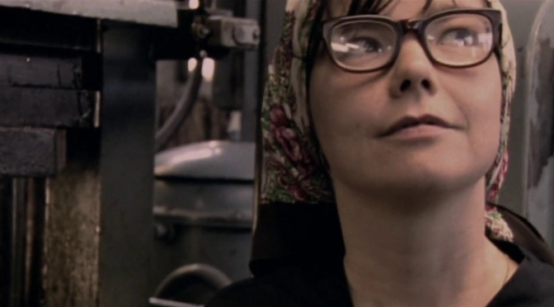
The film’s unique style and narrative structure
Dancer in the Dark embodies Lars von Trier’s distinctive directorial style, most notably his dogtooth cinematography and unconventional narrative structure. Unlike typical musical films, this film’s depiction of music and dance isn’t presented through a lavishly staged setting. Instead, it interweaves everyday life with fantasy, allowing the audience to both witness the pain of reality and feel the beauty of the characters’ inner fantasies.
The film’s cinematography, often shaky and handheld, places the viewer in every moment. This style enhances the film’s immersion, making every detail feel more real and moving. Lars von Trier’s interweaving of fantasy and reality elevates each song and dance scene beyond mere artistic expression to a true reflection of the character’s heart. Selma escapes her despair through dance and music, and these dance scenes become her sole means of connecting with the world.
Theme: Hope in pain and the brilliance of humanity
“Dancer in the Dark” is a film that profoundly explores human nature, fate, and hope. Rather than simply presenting an “inspirational” story through a simple plot line, it delves deeply into how people can find meaning in life even in the face of despair. Selma’s story is one of silent resistance, using her own fantasy to combat the harsh reality. Although she fails to change her fate, she never gives up hope for the future. This courage and faith that transcends pain makes the film deeply moving.
Through its portrayal of Selma’s relationships with other characters, the film explores social injustice, the capriciousness of fate, and the complex interpersonal relationships. Although Selma’s ultimate fate was not what she had hoped for, her unwavering maternal love and selfless devotion to her son’s future imbue her sacrifice with dignity. The film demonstrates that even at the end of life, human resilience and dignity can transcend all darkness.
The social significance and cultural reflection of movies
“Dancer in the Dark” is more than just a story about one person’s fate; it also reflects broader social realities. In the film, Selma, an immigrant worker at the bottom of society, faces numerous obstacles in her life, including economic hardship, gender discrimination, and social indifference. She endures not only the heavy blows of her own fate but also the oppression and indifference of society towards the vulnerable. Through Selma’s tragic fate, the film profoundly reveals social injustice and the powerlessness of individuals under systemic oppression.
Although the film’s ending is tragic, it also conveys a profound social reflection: in this indifferent and strife-filled world, how can the voices of the weak be heard, and how can everyone face their lives with dignity and hope? This cultural reflection and social critique make “Dancer in the Dark” not only a deeply moving personal story, but also a film with social significance.
Conclusion: Hope is the brightest light in the darkness
Dancer in the Dark is a film of immense emotional intensity and visual impact. It’s not just a portrait of individual destiny, but a profound exploration of the human spirit. Björk’s performance brings the film’s emotional depth to life, while Lars von Trier’s directing style elevates the film into a unique work of art. This is a film about resilience, hope, and sacrifice, reminding us that we can still dance in the darkness and find light amidst adversity.
https://www.athroughout.com/cinematic-journeys-through-the-mind-finding-light-in-despair-and-illness/